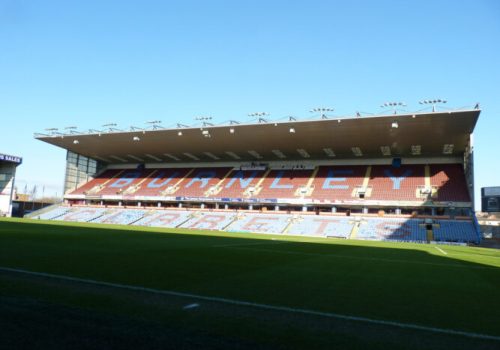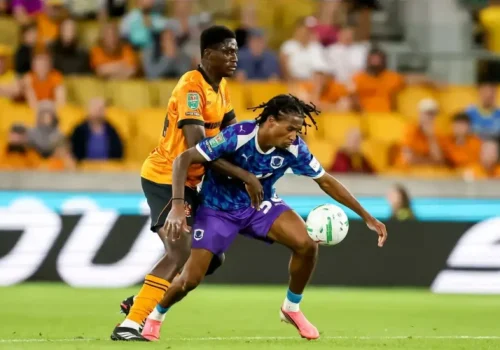


Wolves looked dominant for the first hour, with their pressure eventually paying off through a Jordan James goal. From that point on, however, they seemed perfectly content to sit back and protect a narrow one-goal lead against bottom-half opposition. At home.
A series of needless fouls eventually handed Portsmouth a free kick, which they duly capitalized on. Wolves’ response to conceding? Bringing on a center-back. At home. Against bottom-half opposition.
The Good
James’ Impact Off the Bench
James looked right at home from the moment he stepped onto the pitch at halftime, making the most of nearly every touch. While it’s slightly concerning that our most dangerous attacking threat is a midfielder, we’ll take goals wherever we can get them at this point.
His finish was a crucial one, and remarkably, it accounted for one of Wolves’ mere two shots on target all night. In a match where attacking quality was in desperately short supply, James was one of the few bright spots.
The Defence Looked Solid
For the most part, the defence did its job last night. Holding Portsmouth to just eight shots, with only one on target, is a respectable defensive performance nine times out of ten. Unfortunately, that one shot cost Wolves two points.
An excellent strike from Devlin denied Wolves what looked set to be their first clean sheet since the international break, against West Brom. It’s difficult to place too much blame on the back line for such a well-taken goal, particularly when the attack offered so little breathing room.
The Bad
The Rest of the Substitutions
Chirewa was the only other substitute who seemed to make any sort of positive impact, registering Wolves’ only other shot on target.
Doyle, on the other hand, looked absolutely atrocious. A needless foul gifted Portsmouth the opportunity to equalize, and his overall performance wasn’t much better. Misplaced passes, getting dribbled past with ease, and, of course, whatever the hell that final attempt at a cross was. A dreadful appearance.
Bellegarde was completely invisible, failing to register a single touch in the 15 minutes he spent on the pitch.
And then, of course, we have the introduction of renowned Colombian striker Yerson Mosquera. To his credit, he seemed more interested in getting forward than most of our actual attacking players had been for the previous 90 minutes. The fact that bringing on a center-back was apparently the answer to conceding an equalizer at home tells you just about everything you need to know.
The Tempo and Game Management
Wolves controlled the opening hour, deservedly took the lead, and then inexplicably decided that one goal would be enough.
Against a bottom-half Championship side. At home.
Portsmouth managed six shots in the final half hour, compared to just three in the entire hour beforehand. Meanwhile, Wolves mustered only five attempts after taking the lead, with just one forcing a save, and even that looked destined to go wide. Three of those attempts came after Portsmouth’s equalizer, meaning we only took two shots between our goal and theirs.
The shift in approach was as obvious as it was frustrating. Instead of pushing for a second goal and putting the game to bed, Wolves surrendered momentum, invited pressure, and ultimately paid the price.
Final Thoughts
Taking just one point from home fixtures against Portsmouth and Bolton is simply unacceptable.
This is a group of players who carry themselves as though they belong in the Premier League, yet consistently struggle to put away Championship opposition. The football is slow, lethargic, and painfully predictable. There’s a complete lack of urgency going forward, and an equally baffling tendency to retreat into a defensive shell the moment we take the lead.
Until that mentality changes, performances like this will continue to turn three points into one, and one into none.